
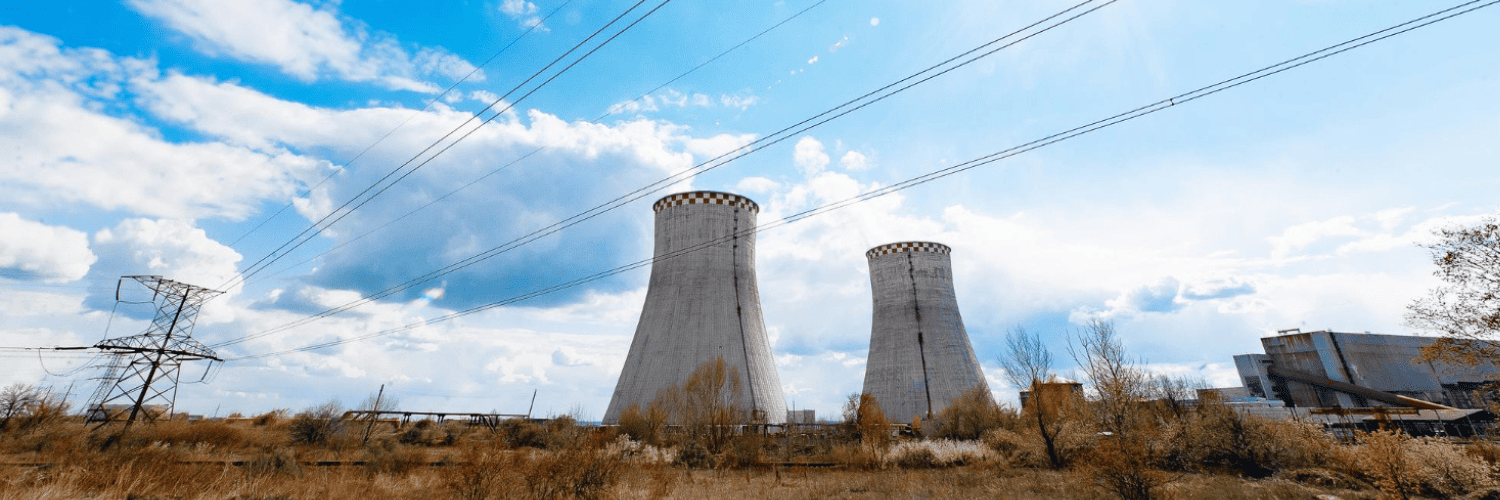
Nuclear Infrastructure Construction Projects in India
Building a Safe, Resilient, and Low-Carbon Energy Future
Introduction
India’s energy transition is increasingly shaped by nuclear power, a reliable and low-carbon source that supports industrial growth, grid stability, and climate commitments. Nuclear infrastructure construction projects in India require exceptional engineering precision, rigorous safety compliance, and long-term durability. Unlike conventional infrastructure, nuclear facilities demand specialised civil, structural, and technological expertise to withstand seismic forces, radiation exposure, and extreme operational conditions.
As the country expands its nuclear footprint, the role of experienced nuclear civil engineering companies in India and capable industrial infrastructure companies in India has become more critical. Companies with deep expertise in heavy civil works, process-driven execution, and safety-focused construction are shaping India’s nuclear ecosystem.
The Current Landscape of Nuclear Infrastructure in India
India operates one of the most ambitious nuclear programmes in the world. According to public information from the Department of Atomic Energy and NPCIL, India has more than 20 operational nuclear reactors with several additional units under construction or in planning. These projects are aimed at increasing nuclear capacity to meet rising electricity demand while reducing dependence on fossil fuels.
Major focus areas include:
- Expansion of pressurised heavy water reactors.
- Construction of new nuclear parks in coastal and inland regions.
- Strengthening fuel cycle infrastructure, including fuel fabrication facilities.
- Development of safer containment structures and auxiliary buildings.
These initiatives highlight the growing scale of nuclear facility infrastructure development across the country.
Government Push and Strategic Importance
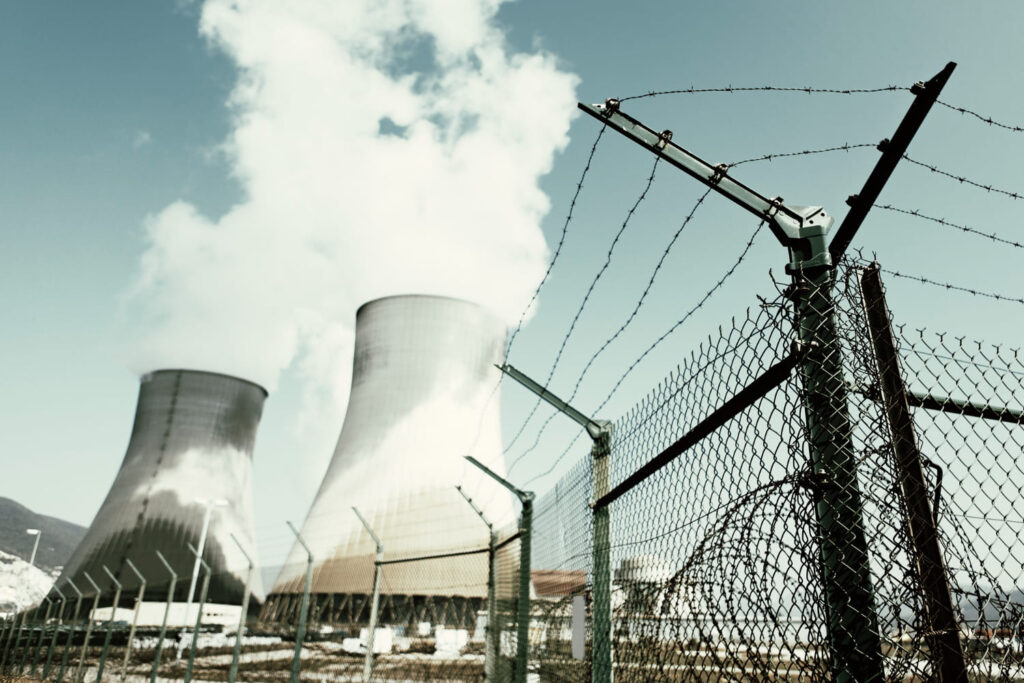
The Government of India views nuclear energy as a pillar of its clean energy strategy. Large-scale investments in nuclear power plant construction in India support national energy security, reduce carbon emissions, and strengthen technological self-reliance.
Key policy priorities include:
- Increasing domestic manufacturing of nuclear components.
- Encouraging participation of capable civil contractors.
- Strengthening regulatory oversight through AERB safety standards.
- Promoting advanced construction methods to enhance project timelines and quality.
This policy environment creates significant opportunities for specialised civil engineering firms with experience in high-risk, high-precision industrial construction.
Engineering Challenges in Nuclear Construction
Building nuclear infrastructure is among the most technically demanding forms of construction. Some of the major challenges include:
1. Seismic Safety
Many nuclear sites are located in seismically active zones. Foundations, containment structures, and reactor buildings must be designed to withstand high-magnitude earthquakes without structural failure.
2. Radiation Shielding
Thick reinforced concrete structures are required to prevent radiation leakage. This involves specialised mix designs, high-strength concrete, and precise quality control.
3. Complex Integration
Nuclear projects involve coordination between civil works, mechanical systems, electrical installations, and reactor technologies. Poor integration can lead to costly delays.
4. Strict Regulatory Compliance
Every phase of construction must comply with national and international nuclear safety standards, requiring meticulous documentation, testing, and auditing.
Technologies and Tools Shaping Nuclear Construction
Modern nuclear infrastructure construction projects in India rely on advanced engineering tools such as:
- BIM modelling for clash detection, constructability analysis, and sequencing.
- High-performance concrete testing labs to ensure material reliability.
- Precast and modular construction for faster execution.
- Seismic simulation and structural analysis software for safety validation.
- Drone surveys and GPS-based machinery for precise alignment and earthworks.
These tools improve accuracy, reduce risks, and enhance overall project efficiency.
Leading Players in Nuclear Civil Construction
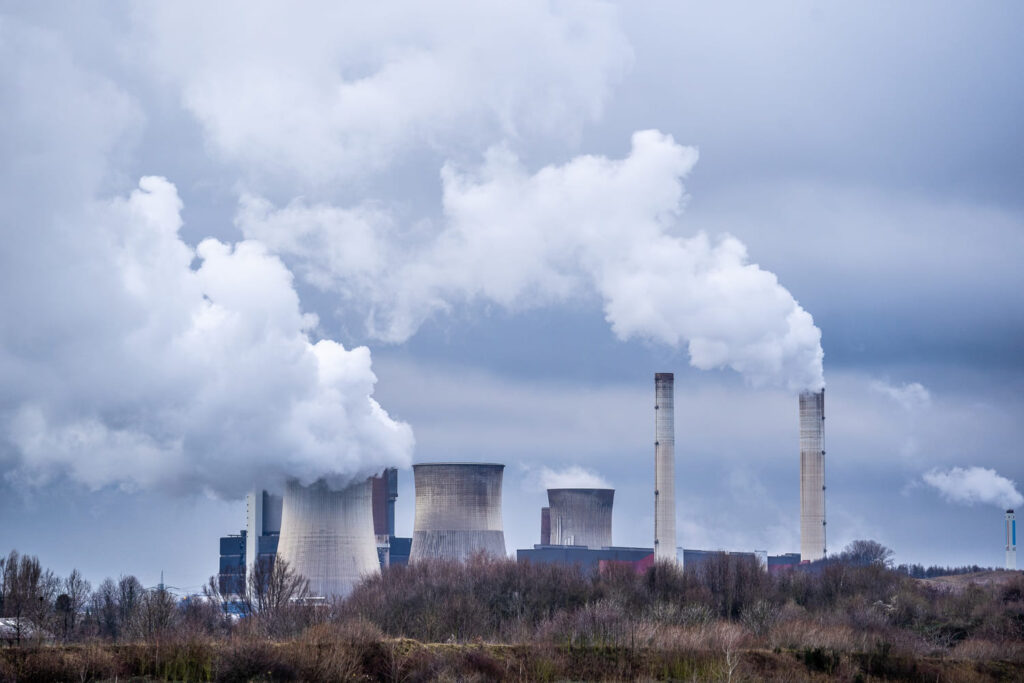
India’s nuclear ecosystem depends on specialised nuclear civil engineering companies in India that can execute complex projects while maintaining strict safety standards. Among them, VRC Group stands out for its expertise in heavy civil and structural construction for critical industrial facilities.
VRC Group’s Role in Nuclear Infrastructure
VRC Group has demonstrated capability in heavy civil construction for the nuclear sector, particularly through its work at the Nuclear Fuel Complex in Kota, Rajasthan. The company executed major civil and structural building works for this facility, contributing to India’s nuclear fuel cycle infrastructure.
VRC’s strengths include:
- Expertise in reinforced concrete and structural engineering.
- Experience in industrial facility construction with high safety requirements.
- Ability to deliver complex projects in controlled environments.
- Strong execution discipline in public sector infrastructure.
This positions VRC as a credible contributor to nuclear facility infrastructure development while aligning with national safety and engineering standards.
Why Civil Engineering Matters in Nuclear Projects
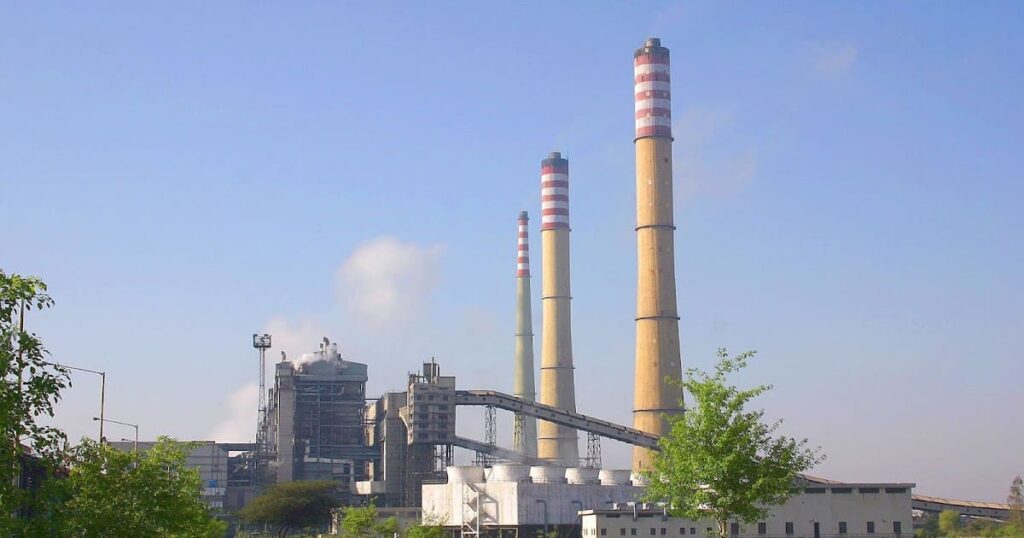
While nuclear technology receives much attention, civil engineering forms the backbone of any reactor site. Foundations, containment structures, auxiliary buildings, and infrastructure support systems determine the safety and longevity of the facility.
Key contributions include:
- Stable foundations for heavy reactor components.
- Durable containment structures to prevent radiation leakage.
- Reliable drainage, utilities, and structural systems.
- Integration of fire safety, access routes, and security infrastructure.
VRC’s experience in such works reflects the critical role of industrial infrastructure companies in India in nuclear projects.
Future Outlook of Nuclear Infrastructure in India
India is expected to expand its nuclear capacity significantly in the coming decade. New reactor technologies, modular construction methods, and stronger regulatory frameworks will shape future projects.
Trends likely to define the sector include:
- Greater use of precast and modular systems.
- Increased private sector participation in civil construction.
- Adoption of digital twins and AI-based monitoring tools.
- Stronger focus on sustainability and lifecycle performance.
These developments will create more opportunities for specialised contractors with proven expertise in high-risk industrial environments.
Conclusion and Key Takeaways
India’s nuclear infrastructure construction projects in India are central to the country’s clean energy ambitions and industrial resilience. Success in this sector depends on precision engineering, safety compliance, and strong civil construction capabilities.
Key Takeaways
- Nuclear energy is a strategic pillar of India’s low-carbon future.
- Construction of nuclear facilities requires specialised civil engineering expertise.
- Nuclear power plant construction in India involves complex structural and safety challenges.
- Companies like VRC Group play a vital role in nuclear facility infrastructure development through heavy civil works.
- Advanced tools such as BIM, seismic analysis, and precast construction are transforming project execution.
- The future of India’s nuclear sector depends on collaboration between the government, regulators, and capable contractors.
As India continues to expand its nuclear footprint, firms with deep experience in heavy civil construction for the nuclear sector will remain essential partners in building a safer, cleaner, and more resilient energy infrastructure.