
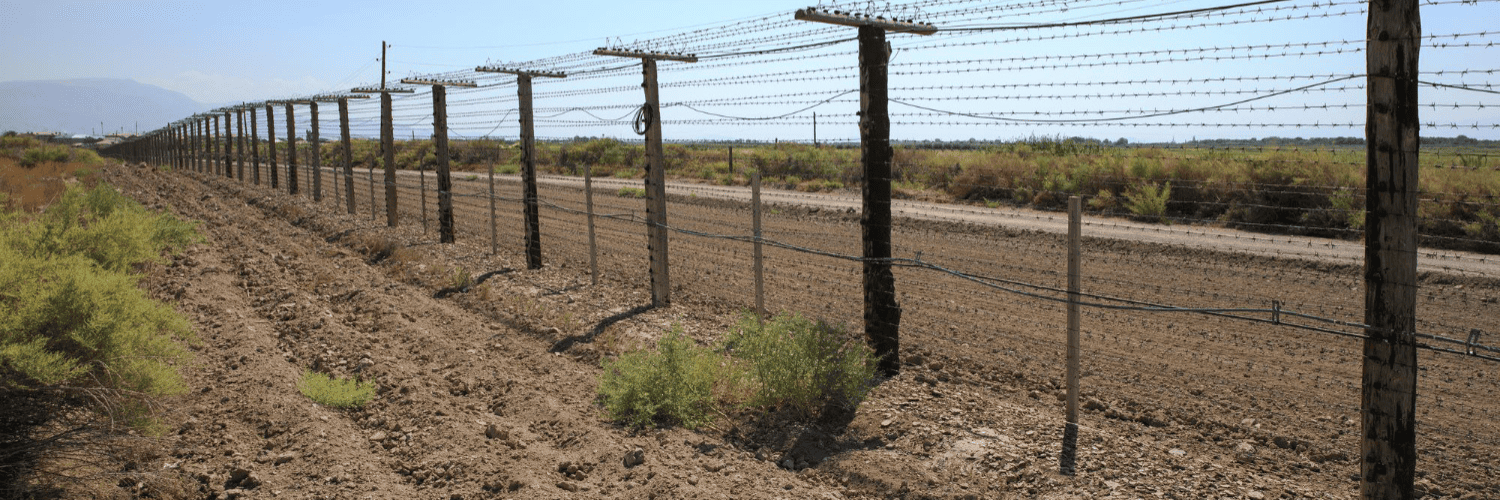
Border Security Infrastructure Development in India: Strengthening National Security and Strategic Connectivity
Introduction: Why Border Infrastructure Matters
Border security infrastructure development in India plays a critical role in protecting national sovereignty, supporting military mobility, and strengthening regional stability. With India sharing more than 15,000 kilometres of international land borders across diverse terrains, including deserts, mountains, rivers, and forests, reliable infrastructure along these borders is essential.
Border infrastructure today goes far beyond fencing or watch posts. Modern border development includes strategic roads, security fencing, flood protection systems, surveillance infrastructure, and logistical connectivity, all designed to support defence operations and regional development. These systems also enhance disaster response capabilities and facilitate efficient monitoring of sensitive border zones.
As the government continues to strengthen national security infrastructure and border connectivity, engineering and construction companies play a vital role in the design, construction, and maintenance of these strategic assets. Infrastructure firms such as VRC Constructions India Ltd. contribute to these initiatives through large-scale civil construction and public infrastructure development projects across India.
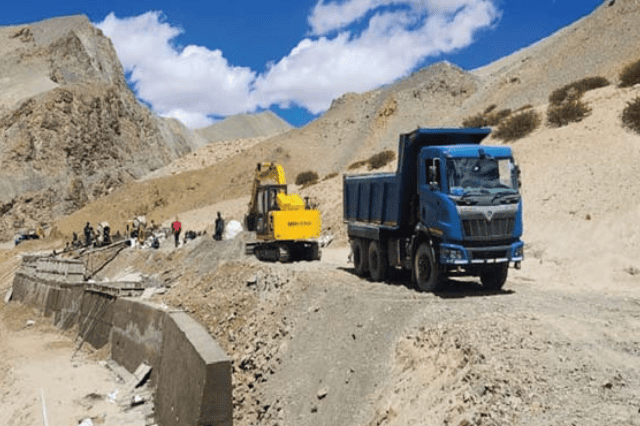
Importance of Border Security Infrastructure Development in India
Strengthening National Security
Border security infrastructure development in India directly supports national defence operations. Roads, fencing, monitoring structures, and flood protection works enable quicker response times and improved access to remote border areas.
Well-developed border infrastructure allows security forces to patrol efficiently, monitor activities, and maintain secure boundaries.
Strategic Connectivity in Border Regions
Many border areas are located in remote regions where transportation and logistics infrastructure are limited. Strategic infrastructure development improves connectivity by creating access roads, embankments, and operational facilities that link remote border posts to national transportation networks.
Improved connectivity also helps ensure the smooth movement of personnel, equipment, and supplies.
Disaster Resilience and Environmental Protection
Border regions often face environmental challenges such as floods, soil erosion, and extreme weather conditions. Infrastructure projects such as earthen bund construction, slope protection systems, and flood restoration works help protect critical installations and maintain access to border areas.
These projects ensure infrastructure remains stable and operational even under difficult environmental conditions.
Key Components of Border Infrastructure in India
Border security infrastructure development in India involves multiple interconnected engineering systems.
Border Roads and Strategic Connectivity
Border roads are essential for mobility and rapid deployment. They enable security personnel and logistics teams to reach remote areas quickly and efficiently.
Strategic road networks also connect border areas to national highways and regional transportation corridors.
Security Fencing and Monitoring Systems
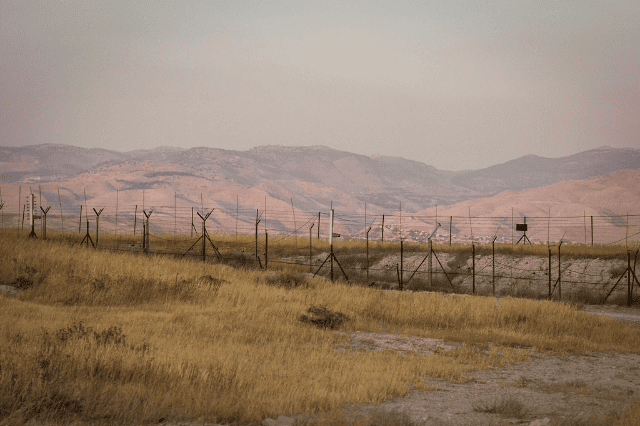
Security fencing forms an important physical barrier in sensitive border areas. These systems help prevent unauthorised crossings and support surveillance operations.
Modern border infrastructure integrates physical fencing with monitoring and control systems to enhance security effectiveness.
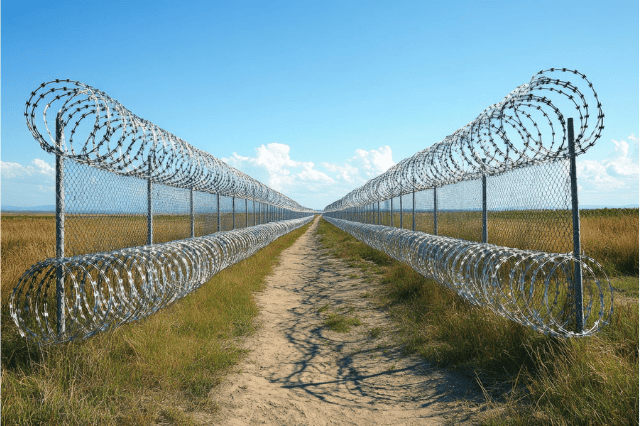
Flood Protection Bund Infrastructure
In many border regions, rivers and seasonal flooding can damage infrastructure. Earthen bunds, embankments, and drainage systems are constructed to protect roads, security fencing, and other installations.
Such projects help maintain the long-term stability of border infrastructure.
Slope Protection and Terrain Stabilisation
Slope protection systems prevent soil erosion and landslides along border roads and embankments. Stabilising slopes improves the durability of transportation routes and ensures uninterrupted access to sensitive areas.
These engineering solutions are critical in regions with difficult terrain.
Engineering Challenges in Border Infrastructure Projects
Border infrastructure development requires specialised engineering expertise because projects are often located in remote and environmentally sensitive areas.
Key challenges include:
- Construction in remote or difficult terrain
- Strict security and regulatory protocols
- Environmental and weather-related risks
- Coordination with government and defence agencies
- Long-term durability requirements
Companies executing such projects must combine engineering capability, safety compliance, and disciplined project management.
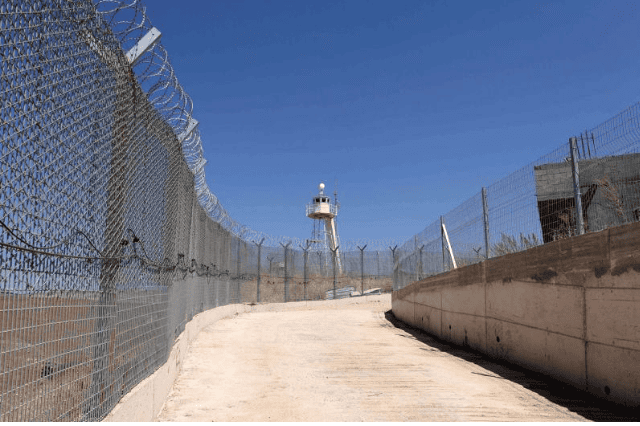
VRC Group’s Expertise in Government Infrastructure Development
VRC Constructions India Ltd. has built a strong reputation in government construction and public infrastructure development. According to the company’s official website, VRC Group has more than 29 years of experience since 1996.
The company has successfully delivered 100+ infrastructure projects and operates with an annual turnover exceeding $250 million.
VRC Group’s expertise includes:
- Highways and transportation infrastructure
- Civil construction for public sector projects
- Industrial and government infrastructure development
- Large-scale EPC engineering and construction services
Through its work in government construction and public infrastructure projects, the company contributes to strategic infrastructure initiatives that support national development and security.
These projects demonstrate the company’s ability to execute complex civil works and infrastructure development under demanding conditions.
Technologies Used in Modern Border Infrastructure
Border security infrastructure development increasingly relies on advanced engineering technologies and construction practices.
Advanced Civil Engineering Techniques
Modern construction methods improve structural stability and ensure infrastructure durability in challenging terrain conditions.
Geotechnical Engineering Solutions
Geotechnical technologies help stabilise soil structures and prevent erosion along border roads and embankments.
Integrated Infrastructure Planning
Modern projects involve integrated planning across civil construction, environmental engineering, and transportation systems to ensure efficiency and sustainability.
Durable Construction Materials
Reinforced structures and high-quality materials ensure border infrastructure remains reliable even under extreme weather conditions.
Future of Border Infrastructure Development in India
India continues to invest heavily in strategic infrastructure to strengthen border management and regional development. Government initiatives focus on improving connectivity, strengthening monitoring systems, and enhancing disaster resilience.
Future infrastructure development is expected to include:
- Expansion of border road connectivity
- Improved monitoring and surveillance infrastructure
- Sustainable construction techniques
- Enhanced disaster protection systems
These developments will help improve security operations and strengthen border management capabilities.
Key Takeaways
- Border security infrastructure development in India supports national defence, connectivity, and disaster resilience.
- Strategic infrastructure projects include border roads, fencing systems, flood protection structures, and slope stabilisation works.
- Construction in border regions requires specialised engineering expertise and strict compliance with security protocols.
- VRC Group brings 29+ years of infrastructure experience, with 100+ projects delivered and strong EPC capabilities.
- Government infrastructure projects play a vital role in strengthening India’s strategic development and national security.
Conclusion
Border security infrastructure development in India is essential for maintaining national sovereignty and supporting long-term strategic stability. Reliable infrastructure ensures that security forces can operate efficiently while also strengthening regional connectivity and disaster resilience.
Through disciplined engineering practices and decades of infrastructure development experience, companies like VRC Constructions India Ltd. contribute to building the strategic infrastructure systems that support India’s security and development goals.