
Global Crisis and Its Impact on the Construction Industry in India: How VRC Group is Navigating Uncertainty
Introduction
The global economy is currently facing a phase of heightened uncertainty driven by geopolitical tensions, particularly in regions like the Middle East. These developments have far-reaching implications across industries, especially those dependent on energy, raw materials, and global supply chains.
For India, which imports nearly 85% of its crude oil, fluctuations in global oil prices directly affect economic stability, industrial costs, and infrastructure development. As oil prices move toward the $100–$110 per barrel range, industries such as construction are experiencing immediate cost pressures.
In this evolving environment, companies like VRC Constructions India Ltd. are not only adapting but also reinforcing their strategies to maintain stability, efficiency, and long-term growth.

Impact of Global Crisis on Key Industries
Rising Energy Costs Across Sectors
Crude oil is a fundamental driver of industrial costs. An increase of $10 per barrel can reduce India’s GDP growth by 0.3% to 0.5%, while increasing inflationary pressure across sectors.
Industries such as manufacturing, transportation, and infrastructure development are directly affected due to their dependence on fuel and energy-intensive materials.
Supply Chain Disruptions
Global tensions often lead to disruptions in supply chains, delays in shipments, and increased logistics costs. This impacts industries that rely on imported raw materials, machinery, and equipment.
Tight Global Financial Conditions
With global interest rates remaining elevated, borrowing costs have increased. The ripple effect is seen across emerging markets, including India, where financing large-scale infrastructure projects becomes more expensive.
Construction Industry: The Most Affected Sector
Among all sectors, the construction industry is one of the most sensitive to global economic shifts. This is due to its heavy dependence on raw materials, energy, and financing.
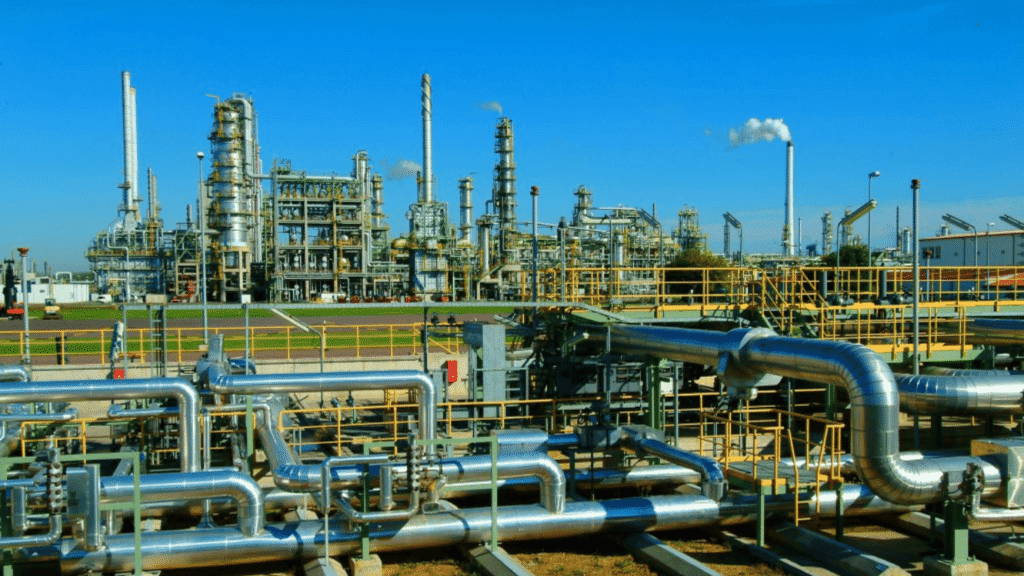
Impact of Rising Input Costs
Energy plays a significant role in construction material production:
- Steel: 20–25% cost linked to energy
- Cement: 30–35% cost linked to energy
- Bitumen: Directly derived from crude oil
As a result, rising oil prices lead to an overall 5–10% increase in project costs, creating margin pressures, especially in EPC contracts.
Pressure on Project Margins
Construction companies often operate on fixed-price contracts. Sudden increases in input costs reduce profitability and require strong cost management strategies.
Working Capital Challenges
Higher material costs and delays in payment cycles create pressure on working capital. Companies must manage cash flows efficiently to sustain project execution.
Rising Cost of Capital
With global interest rates remaining high, borrowing costs have increased. Even a 100 basis point rise can reduce project returns by 1% to 1.5%, impacting investment decisions.
India’s Infrastructure Growth Remains Strong
Despite global uncertainties, India’s infrastructure sector continues to be a key driver of economic growth. Government initiatives, large-scale public projects, and private investments are sustaining momentum in highways, industrial construction, and urban development.
This creates opportunities for experienced infrastructure companies to continue contributing to national development while navigating global challenges.

VRC Group’s Strategic Response to Global Challenges
At VRC Constructions India Ltd., the current global situation is viewed not as a disruption but as a test of discipline, resilience, and execution strength.
Strengthening Contract Structures
VRC is focusing on improving contract frameworks with better cost protection mechanisms. This helps mitigate the impact of fluctuating input prices and ensures project sustainability.
Optimising Procurement and Operations
Efficient procurement strategies and operational improvements are being implemented to control costs and maintain execution efficiency.
Maintaining Financial Discipline
The company continues to prioritise:
- Strong liquidity management
- Controlled leverage
- Efficient working capital cycles
This disciplined financial approach helps navigate periods of economic volatility.
Focus on Future-Ready Opportunities
VRC is also exploring opportunities in:
- Renewable infrastructure
- Sustainable construction practices
- Efficient capital structuring
These initiatives position the company for long-term growth in a changing global landscape.
Building Resilience in Challenging Times
The construction industry operates in a dynamic environment where external factors such as global tensions and economic shifts are inevitable. What differentiates successful companies is their ability to remain stable and consistent during such periods.
VRC Group’s approach is rooted in:
- Reliable project execution
- Strong operational systems
- Long-term client relationships
- Commitment to quality and timelines
This ensures that projects continue to progress efficiently, even under challenging conditions.
Commitment to Stakeholders
VRC Constructions India Ltd. remains committed to:
- Delivering projects on time
- Maintaining financial stability
- Honouring commitments to clients, lenders, and partners
- Upholding trust and reliability
The company’s focus on performance, discipline, and transparency ensures that stakeholder confidence remains strong.
Key Takeaways
- Global geopolitical tensions are increasing oil prices and impacting multiple industries.
- The construction industry is highly affected due to its reliance on energy-intensive materials.
- Rising input costs, interest rates, and working capital pressures are key challenges.
- India’s infrastructure sector continues to grow despite global uncertainties.
- VRC Group is responding with strong financial discipline, efficient execution, and strategic planning.
- Long-term resilience in construction depends on adaptability, cost control, and operational excellence.

Conclusion
Global crises test the strength and resilience of industries, especially construction, which is closely linked to economic cycles and resource availability. While rising costs and financial pressures present challenges, they also create opportunities for disciplined and well-structured organisations to demonstrate their capabilities.
At VRC Constructions India Ltd., the focus remains clear, consistent execution, financial discipline, and long-term value creation. By adapting to changing global conditions and maintaining a strong foundation, VRC continues to contribute to India’s infrastructure growth while building trust, resilience, and sustainable progress.