
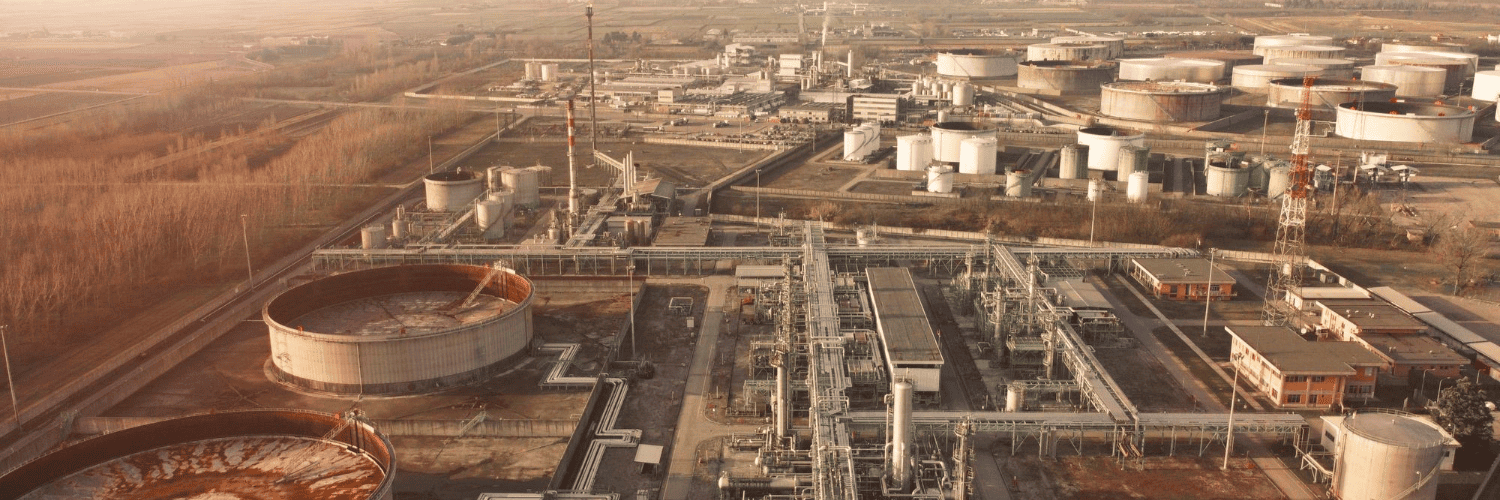
Future of Oil and Gas Infrastructure Growth in India: Powering Energy Security and Industrial Expansion
Introduction
The Future of Oil and Gas Infrastructure Growth in India remains one of the most important themes in the country’s industrial and economic development. India is the world’s third-largest energy consumer, and with rapid urbanisation, manufacturing expansion, and rising mobility needs, demand for fuel, gas, and industrial energy continues to grow.
While renewable energy is expanding, oil and gas remain critical for transportation, petrochemicals, aviation, logistics, and industrial production. This makes oil and gas infrastructure in India a strategic priority for long-term growth and energy security.
From pipelines and refineries to LNG terminals and storage systems, India is investing heavily in energy infrastructure. At the same time, global conflicts and supply disruptions have highlighted the importance of domestic capacity, diversified imports, and resilient infrastructure networks.
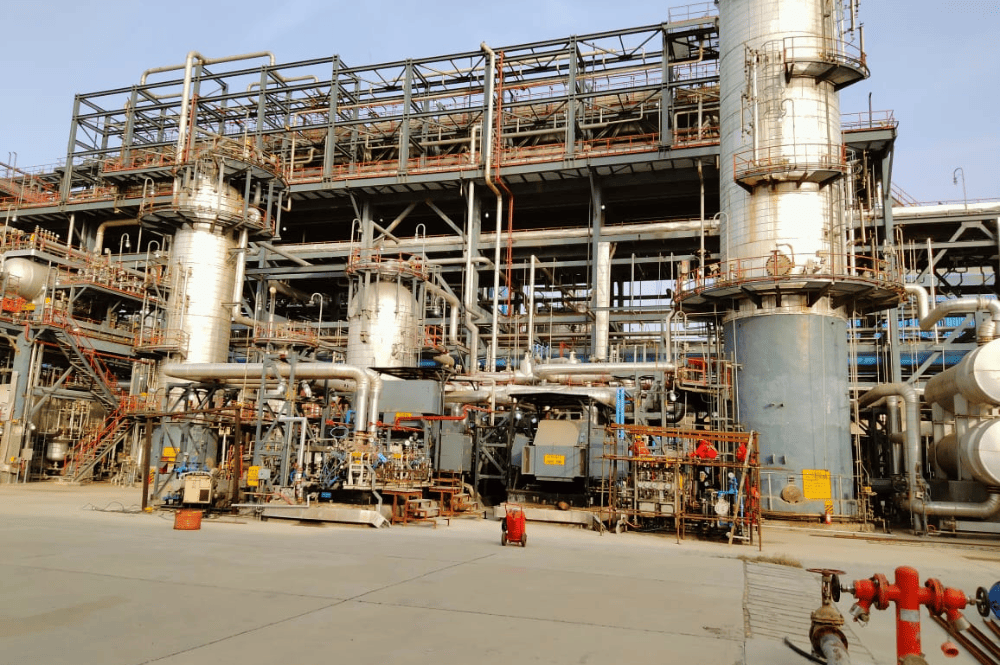
Current Landscape of Oil and Gas Infrastructure in India
India imports a major share of its crude oil demand, making infrastructure planning essential for uninterrupted supply. According to public energy data, India is among the largest global importers of crude and continues to expand its downstream capacity.
Current oil and gas infrastructure in India includes:
Pipeline Networks
India has an expanding network of crude oil, natural gas, and product pipelines connecting production zones, ports, refineries, and industrial markets.
Refinery Capacity
India is one of Asia’s leading refining hubs with major refineries across states such as Gujarat, Haryana, Odisha, and Maharashtra.
LNG and Gas Terminals
Liquefied Natural Gas terminals support imported gas supply for industries, city gas networks, and power generation.
Strategic Storage
Strategic petroleum reserves are being developed to improve supply resilience during geopolitical disruptions.
These assets are central to energy infrastructure development India.
Government Initiatives Driving Growth
The government has launched several initiatives that directly support the Future of Oil and Gas Infrastructure Growth in India.
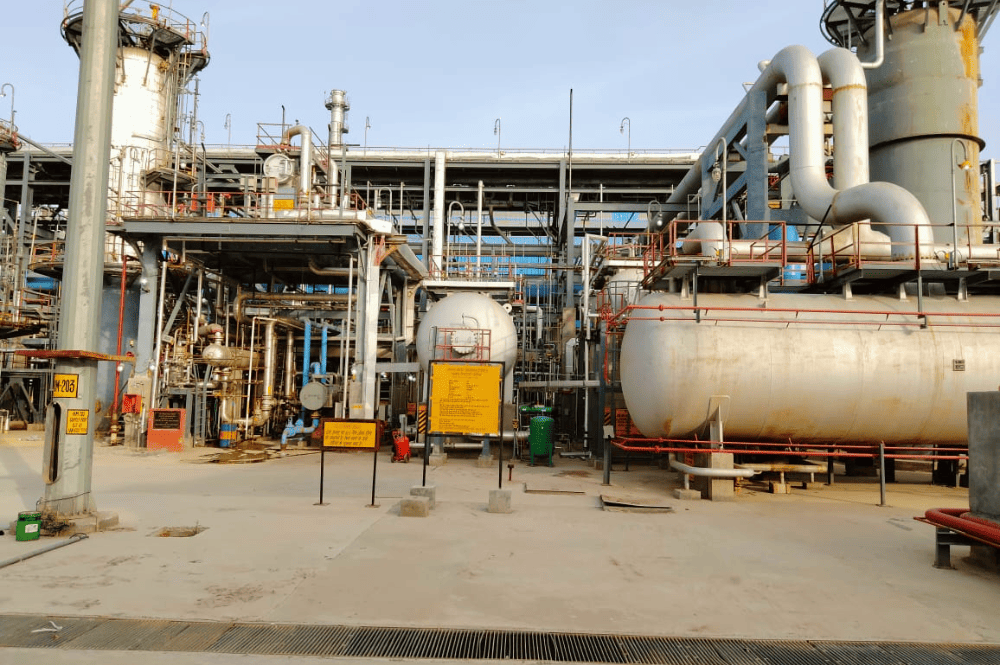
National Gas Grid Expansion
Pipeline connectivity is being expanded to improve natural gas access across states and industrial corridors.
Refinery Upgrades
Existing refineries are being modernised for cleaner fuel production, efficiency gains, and petrochemical integration.
Strategic Petroleum Reserves
India is increasing crude storage capacity to strengthen energy security during supply shocks.
City Gas Distribution
Gas infrastructure is expanding into urban centres for domestic, transport, and commercial use.
These policies create opportunities for EPC companies in oil and gas India and engineering contractors.
Impact of Global Conflicts on Infrastructure Demand
Recent war tensions and geopolitical conflicts have increased volatility in global energy markets. Oil price spikes, shipping route risks, and supply uncertainty have pushed countries to invest more in domestic resilience.
For India, this means:
- Higher focus on storage capacity
- Faster diversification of import sources
- Stronger pipeline and refinery infrastructure
- More efficient logistics systems
- Increased energy security planning
As a result, the Future of Oil and Gas Infrastructure Growth in India is becoming even more relevant.
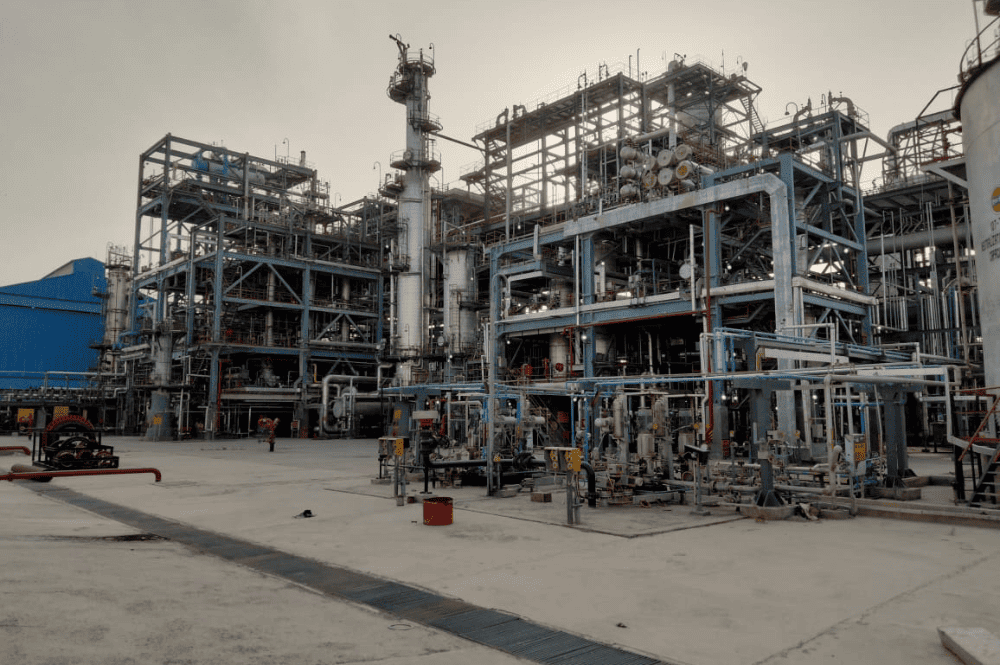
Key Growth Drivers
Rising Energy Demand
India’s growing population, industrial base, and transport needs continue to raise demand for fuels and gas.
Urbanisation
New cities, housing clusters, and industrial parks require reliable fuel and gas distribution systems.
Gas Transition
Natural gas is being promoted as a cleaner transition fuel, increasing need for gas pipelines and LNG infrastructure.
Manufacturing Expansion
Industrial growth supports demand for feedstock, energy supply, and petrochemical infrastructure.
These trends will continue to drive pipeline and refinery infrastructure investment.
Challenges Facing the Sector
Despite strong potential, several challenges remain.
Cost Pressures
Steel, cement, bitumen, and imported equipment costs can affect project economics.
Land Acquisition
Large pipeline and industrial projects often require multi-state land coordination.
Environmental Compliance
Projects must meet strict environmental and safety regulations.
Supply Chain Disruptions
Global logistics issues can delay machinery, materials, and specialised components.
Strong planning and experienced contractors are essential to overcome these risks.
Technologies Shaping Modern Infrastructure
Modern industrial infrastructure companies in India increasingly rely on advanced tools.
Digital Project Controls
Real-time tracking helps manage schedules, procurement, and cost.
Smart Pipeline Monitoring
Sensors and automation improve leak detection and operating efficiency.
Modular Construction
Pre-engineered components can speed up project delivery.
Advanced Safety Systems
Integrated safety protocols improve risk control in high-hazard environments.
These technologies are improving productivity and long-term asset reliability.
Leading Companies in the Sector
Several companies contribute to the Future of Oil and Gas Infrastructure Growth in India, including engineering, EPC, and heavy civil specialists.
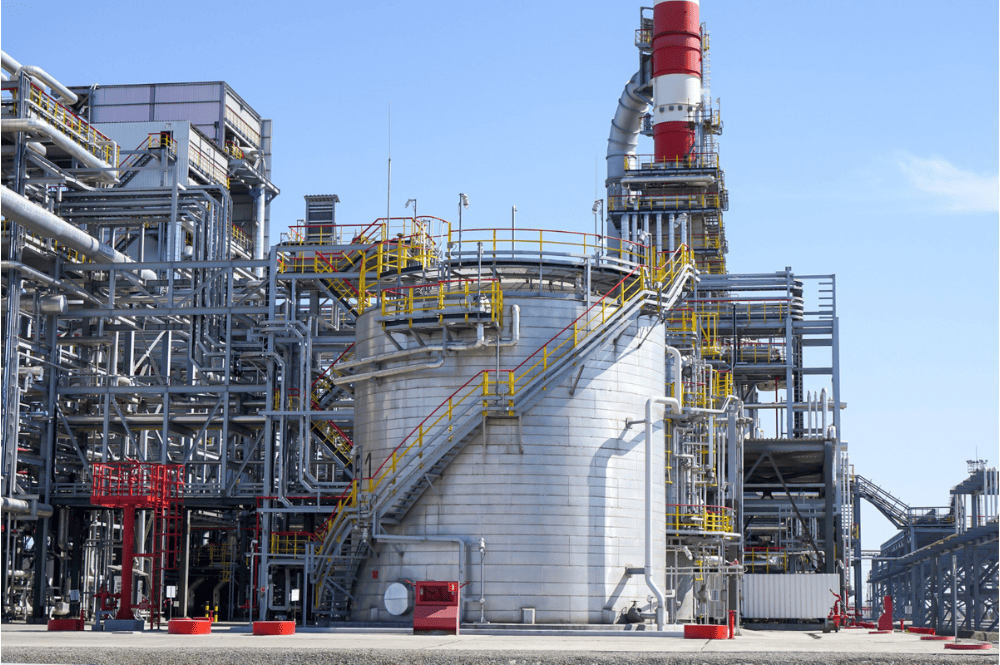
VRC Group
VRC Group is a recognised infrastructure company with capabilities in industrial and heavy civil construction. According to its official website, the company has delivered projects across sectors including oil and gas, highways, public infrastructure, and industrial development.
Its portfolio includes refinery-related civil, structural, and underground works, demonstrating execution strength in complex industrial environments.
Other Sector Contributors
India’s broader ecosystem also includes refinery operators, pipeline developers, EPC contractors, and specialist engineering firms supporting national energy growth.
VRC Group’s Strength in Oil and Gas Infrastructure
Based on verified information from vrcgroup.in, VRC Group brings valuable capabilities to oil and gas development.
Industrial and Heavy Civil Expertise
The company executes civil, structural, foundation, and allied infrastructure works required for industrial facilities.
Relevant Project Experience
VRC has participated in refinery and industrial construction projects, indicating experience in high-compliance environments.
Execution Strength
The company highlights project delivery capability across large-scale assignments.
Safety and Quality Focus
Its positioning reflects structured execution, quality systems, and professional project management.
This makes VRC relevant among oil and gas construction companies in India.
Future Outlook
The Future of Oil and Gas Infrastructure Growth in India remains strong because oil and gas will continue to play a major role alongside renewables.
Energy Security Strategy
India is expected to keep expanding reserves, refining capacity, and logistics networks.
Coexistence with Renewables
Renewable power will grow, but oil and gas will remain essential for transport, chemicals, aviation, and industry.
Long-Term Opportunities
Future opportunities include:
- Pipeline expansion
- LNG terminals
- Petrochemical complexes
- Refinery modernisation
- Industrial utility systems
- Storage and logistics hubs
Key Takeaways
- The Future of Oil and Gas Infrastructure Growth in India is supported by rising energy demand and industrial expansion.
- Government investment in gas grids, refineries, and reserves is accelerating sector growth.
- Global conflicts have increased the importance of domestic resilience and supply security.
- Technology is improving efficiency, safety, and delivery speed across projects.
- VRC Group contributes through industrial civil construction and infrastructure execution capability.
- Oil and gas will remain vital alongside renewables in India’s long-term energy mix.
Conclusion
India’s energy future depends on reliable, scalable, and resilient infrastructure. While renewable energy will expand significantly, oil and gas remain indispensable for mobility, manufacturing, and economic growth.
That is why the Future of Oil and Gas Infrastructure Growth in India continues to present major opportunities. With strong policy support, rising demand, and capable execution partners such as VRC Group, the sector is positioned for long-term and strategic expansion.